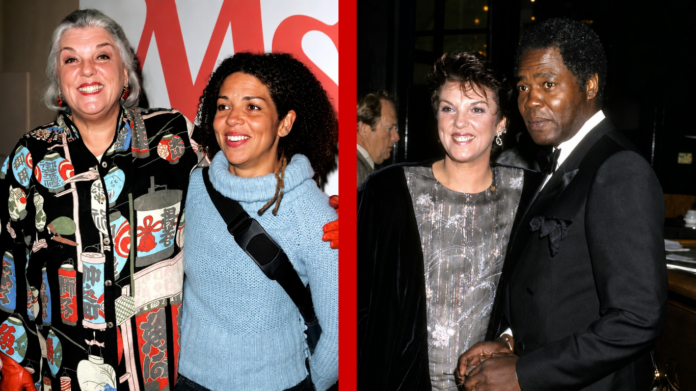

Finding your own path in life can be challenging when you are born into a famous Hollywood dynasty, but alisabeth brown managed to build a distinct and fulfilling creative life entirely on her own terms. As the eldest daughter of acclaimed actor and director Georg Stanford Brown and Emmy-winning screen icon Tyne Daly, she grew up amidst the fast-paced world of television sets, red carpet events, and high-profile industry gatherings. Yet, despite having a direct route to red-carpet fame, she chose a quieter, deeply artistic life dedicated to hands-on studio craftsmanship.
Understanding her journey requires looking past the glamour of her famous last names to examine the deliberate choices she made as an independent artist. Instead of chasing the bright lights of on-camera celebrity, she turned her focus toward tactile mediums like ceramics, pottery, and glassworking. Her life story offers a refreshing perspective on growing up in a high-profile family while choosing personal authenticity over public notoriety. Today, her legacy stands as a testament to defining success by creative passion rather than Hollywood fame.
Introduction: Beyond the Hollywood Spotlight
Who is Alisabeth Brown?
When people first search for the name alisabeth brown, they are often trying to connect the dots between two legendary television stars of the 1970s and 1980s. Born on December 12, 1967, in New York City, she is the first child of actor Georg Stanford Brown and actress Tyne Daly. Growing up in a household surrounded by dramatic arts, scripts, and production schedules, her early life was inextricably linked to American television royalty. Her parents were household names whose work defined an era of groundbreaking network television.
However, defining her solely by her parentage misses the rich artistic career she built independently. Rather than pursuing an acting career in front of the camera like many celebrity children, she chose to focus her energy on physical fine arts. She developed a profound appreciation for physical studio crafts early in life, eventually establishing herself as a respected ceramicist and potter. Her personal trajectory shows a clear commitment to mastering physical art forms over leveraging family connections for quick fame.
An Unconventional Path
Choosing a quiet studio life over a high-profile entertainment career requires a clear sense of self-direction. While many children of Hollywood veterans naturally transition into acting, modeling, or directing, alisabeth brown stepped away from the glare of celebrity culture early on. She recognized that her true fulfillment lay in physical creation—shaping raw materials with her hands rather than performing scripted lines on a soundstage. This decision allowed her to build a life grounded in personal artistic integrity.
Her decision to forge an independent path was not a rejection of her heritage, but rather an evolution of her family’s creative spirit. Her background instilled in her a deep respect for discipline and creative expression, which she translated into fine studio arts. By trading script rehearsals for pottery wheels and glass studios, she crafted an authentic life that reflects her personal values. Her journey remains an inspiring example for anyone seeking to create their own identity outside of a powerful family legacy.
Growing Up in a Hollywood Dynasty
Her Famous Parents: Georg Stanford Brown and Tyne Daly
To appreciate the unique environment of her childhood, one must understand the immense cultural footprint of her parents. Her father, Georg Stanford Brown, gained widespread fame for his co-starring role as Officer Terry Webster in The Rookies and his iconic portrayal of Tom Harvey in the historic television miniseries Roots. He later built a successful career as a director, helming episodes of acclaimed television shows. Her mother, Tyne Daly, became a household icon playing Detective Mary Beth Lacey in Cagney & Lacey, earning four Emmy Awards for the role before enjoying a celebrated Broadway career.
Growing up with parents who were constantly working on major television projects meant that alisabeth brown gained a behind-the-scenes view of show business from a young age. She saw firsthand the hard work, long hours, and dedication required to sustain an artistic career. This environment demystified the glamour of Hollywood early on, giving her a realistic understanding of fame. Ultimately, this grounding helped her realize that true artistic satisfaction comes from the process of creation itself rather than public recognition.
The Interracial Pioneer Household
When Georg Stanford Brown and Tyne Daly married in 1966, their union was deeply significant. They wed during an era when interracial marriage was still illegal in several American states, prior to the landmark Supreme Court ruling in Loving v. Virginia. Raising a mixed-race family in the public eye during the late 1960s and 1970s brought unique societal pressures and visibility. Their household became a quiet symbol of social progress, cultural resilience, and breaking down racial barriers in the entertainment industry.
Growing up in this pioneering family environment gave alisabeth brown a strong foundation of resilience and social awareness. Her parents prioritized creating a grounded, supportive home that shielded their children from unnecessary public intrusion. Navigating life as part of a high-profile interracial family helped her develop a strong sense of personal identity and self-reliance. This upbringing played a key role in shaping her independent mindset and her decision to live her adult life quietly on her own terms.
The Daly-Brown Siblings
Family life in the Daly-Brown household was centered around creativity and mutual support. She grew up alongside two younger sisters, Kathryne Dora Brown and Alyxandra Beatris Brown. Kathryne chose to pursue an acting career, following directly in her parents’ footsteps with appearances on screen and stage. Meanwhile, Alyxandra pursued her own path into culinary arts and baking. The three sisters maintained a close-knit bond, each encouraged to pursue their individual passions without feeling pressured to conform to expectations.
The broader family circle extends into deep Hollywood history as well. She is the granddaughter of veteran actors James Daly and Hope Newell, and the niece of acclaimed actor Tim Daly. Despite being surrounded by such an extensive network of performing artists, alisabeth brown always maintained a supportive relationship with her family members while keeping her own creative focus firmly on visual fine arts. Their shared respect for individual artistic choices kept the family dynamic close and grounded over the decades.
Early Work in the Film Industry
Behind-the-Scenes Production Roles
Before fully transitioning to fine ceramics, she spent time gaining practical experience behind the camera in the film industry. During the late 1980s and early 1990s, she worked in key film production support roles. Her credits include serving as a production secretary on feature projects like Club Life (1986) and the television project Vietnam War Story (1987). These positions required strong organizational skills, quick problem-solving, and a thorough understanding of film logistics.
Her most notable studio role came in 1992, when she worked as a production assistant on the hit comedy film Sister Act, starring Whoopi Goldberg. Working on major studio productions gave her a practical, firsthand look at how large-scale creative projects come together behind the scenes. While she proved adept at navigating film production environments, working on set confirmed that her true creative calling lay in smaller, more intimate artistic endeavors where she could directly shape the final product herself.
Choosing Studio Arts Over Acting
Working on busy film sets reinforced her desire for a different kind of creative output. While film production relies on massive crews and complex logistics, studio arts offer a direct, unmediated connection between the artist and the medium. She realized that she preferred the meditative, hands-on process of working directly with raw materials over the structured environment of a film crew. This realization marked a pivotal turning point in her adult life.
Deciding to step away from the entertainment business was a conscious choice to prioritize personal artistic satisfaction over industry expectations. Rather than leveraging her family name to pursue screen roles, alisabeth brown committed herself to formal art training, focusing on clay, sculpture, and physical forms. This shift allowed her to build a career where her creative output was entirely her own, free from the external noise and commercial pressures of the film industry.
Life as an Artist: Ceramics, Pottery, and Glassworking
Building a Career in Fine Ceramics
After pivoting away from film sets, she dedicated her professional life to studio ceramics and pottery. Ceramics is a demanding medium that requires a balance of physical discipline, spatial awareness, and chemical understanding. Drawing on her early background in modern dance—which she studied for sixteen years—she brought a kinetic sense of form, balance, and spatial proportion to her pottery work. Her pieces reflect an appreciation for clean lines, tactile surfaces, and functional beauty.
Working as a professional ceramicist allowed her to build a quiet, steady reputation among art collectors and craft enthusiasts. Operating her own studio gave her full creative autonomy over every stage of production, from throwing clay on the wheel to firing glazes in the kiln. For alisabeth brown, ceramic art became more than just a job; it was a daily practice of mindfulness, focus, and personal expression that grounded her far away from the public gaze.
Expanding into Glassmaking
Never content to remain static in her craft, she expanded her studio practice to include glassmaking in her later career. Working with hot glass presents a unique set of technical challenges, requiring intense heat management, fluid timing, and extreme precision. She learned to manipulate molten glass into refined decorative forms, merging her established structural knowledge of ceramics with the luminous qualities of blown and shaped glass.
This expansion into glasswork demonstrated her ongoing commitment to artistic growth and skill development. By mastering multiple studio mediums, she enriched her overall artistic portfolio and deepened her understanding of physical form. Her willingness to take on demanding artistic techniques underscores her identity as a dedicated fine artisan who continues to challenge herself creatively rather than resting on past accomplishments.
Personal Life & Current Whereabouts
A Quiet Life Away from the Cameras
Today, alisabeth brown lives a private, peaceful life centered around her artistic pursuits and family. She eventually relocated from major metropolitan media hubs like Los Angeles and New York to settle in Santa Fe, New Mexico—a region renowned for its vibrant arts community, rich ceramic traditions, and stunning desert landscapes. Santa Fe’s quiet atmosphere provides the ideal backdrop for her studio work and personal contemplation.
In addition to her art, she is a mother of two children, whom she raised with the same commitment to privacy that she values in her own life. While she occasionally attends industry honors and red-carpet events alongside her mother Tyne Daly or her sisters, she intentionally avoids maintaining a public celebrity persona. Her choice to focus on family, studio work, and spiritual well-being highlights a life lived with clarity, balance, and quiet fulfillment.
FAQs
Who are the parents of Alisabeth Brown?
She is the eldest daughter of Emmy-winning actress Tyne Daly and acclaimed actor and director Georg Stanford Brown. Her parents were married from 1966 to 1990 and were prominent figures in American television.
What does Alisabeth Brown do for a living?
She is a professional ceramicist, potter, and glass artist based in Santa Fe, New Mexico. Earlier in her life, she also worked behind the scenes in film production on movies such as Sister Act (1992).
Is Alisabeth Brown an actress like her mother?
No, she did not pursue an on-camera acting career. While her sister Kathryne Dora Brown became an actress, alisabeth brown chose to focus her career on fine arts, pottery, and studio craftsmanship.
Conclusion
The life story of alisabeth brown serves as a compelling reminder that success is best measured by personal authenticity rather than public fame. Born into an iconic Hollywood family, she had every opportunity to follow her famous parents into the world of film and television. Instead, she had the clarity and courage to choose a different path—one centered on studio craftsmanship, physical art, and a quiet personal life.
By building a meaningful career in ceramics and glassmaking, she created a personal legacy that belongs entirely to her. Her journey demonstrates that it is entirely possible to honor a rich family heritage while building a unique, independent life away from the spotlight. For those looking to understand alisabeth brown, her true identity is found not in Hollywood gossip columns, but in the timeless, handcrafted art she creates with her own hands.